
-
 +8615890668062
-
 bella@nanbei-china.com
+8615890668062
bella@nanbei-china.com
 Tel: +86-371-60310701
 Mobile:+86 15890068607
 Fax: +86-371-60153566
 Email:
nanbeiinstrument@nanbei-china.com
Email:
nanbeiinstrument@nanbei-china.com
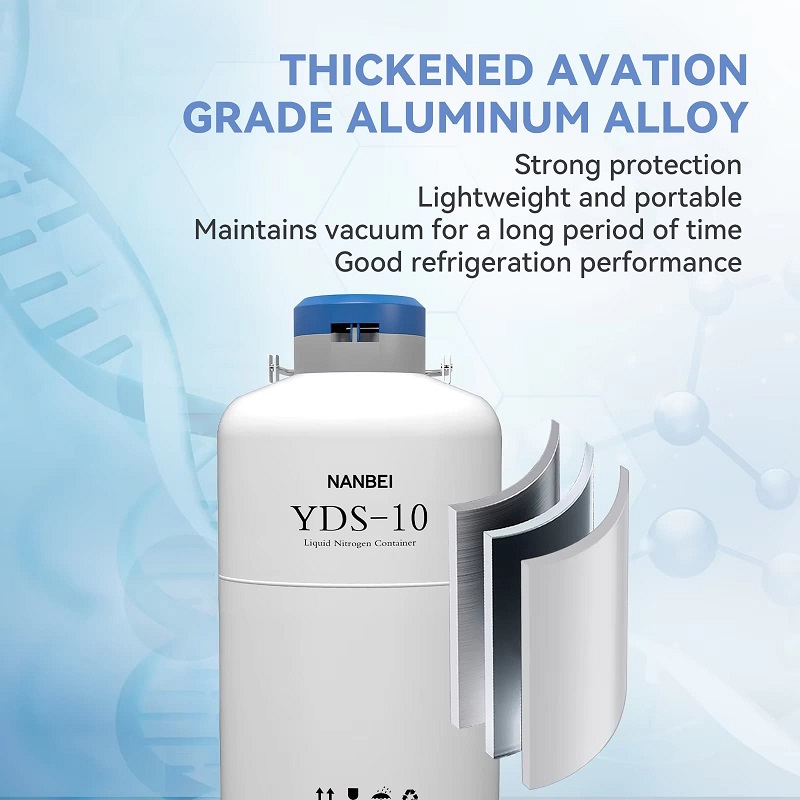
The liquid nitrogen tank is a cryogenic storage device primarily used for the stationary storage and transport of liquid nitrogen. It is widely utilized in laboratory and medical settings. Vigilance is required if any of the following phenomena occur during use.
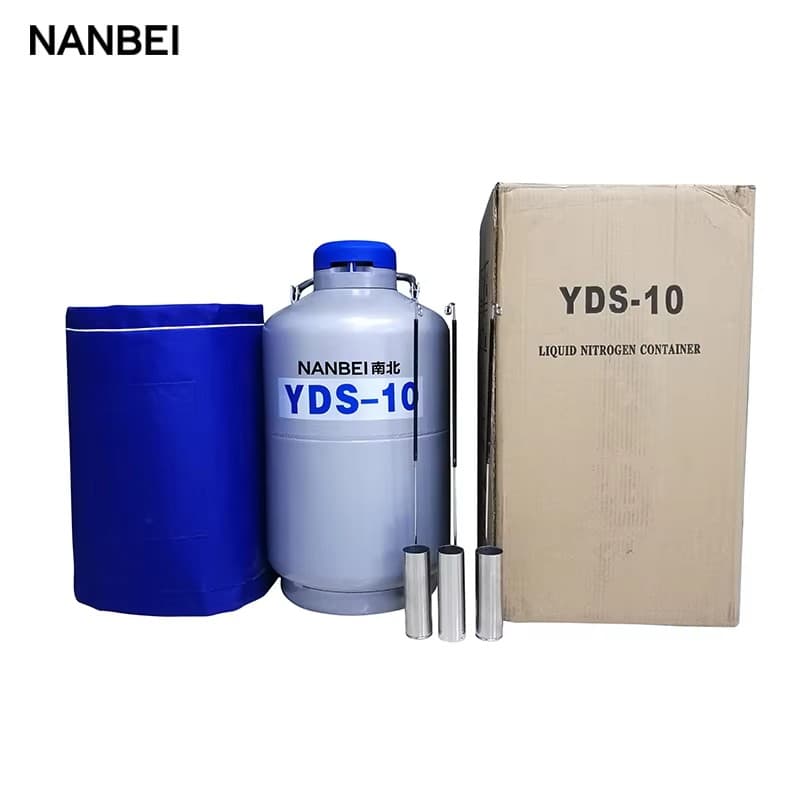
Points to note during the use of liquid nitrogen container:
1. Sudden increase in liquid nitrogen consumption: If usage habits and ambient temperatures remain unchanged, a rise in consumption indicates deteriorating insulation performance. If the daily evaporation rate exceeds the manufacturer's rated value by more than 30%, it suggests the vacuum layer has degraded or a leak has occurred.
2. Frosting: The outer wall of a properly functioning liquid nitrogen tank should remain dry. If there is extensive frosting or condensation on the upper part of the tank—or if frost is actually running down the side—it indicates a vacuum failure.
3. Neck tube: If ice forms inside the neck tube, or if it feels unusually cold or shows condensation, this indicates a problem with the neck tube seal or a crack in the inner vessel.
4. Sound: A properly functioning liquid nitrogen tank makes almost no noise when stationary. If you hear a gurgling boiling sound or a hissing leak sound from inside, it indicates rapid vaporization of the liquid nitrogen, possibly due to a leak in the inner vessel.
The Trusted Choice for Over 120 Countries, The Preferred Brand of Laboratories Worldwide
NANBEI INSTRUMENT has established long-term partnerships with many countries through stable quality, and provides professional and precise laboratory instruments to over 120 nations as a global exporter.
Previous: No Information
Can liquid nitrogen storage tank be used for transportation?